logo_text_white_bg-1

FROM BEAUTIFUL 3D DATA TO QUANTIFYABLE ENDPOINTS

At Vibraint, we collaborate with leading neuroscientists across academia and industry to develop state-of-the-art tools for the analysis of LSFM whole-brain datasets. Following atlas registration and AI-assisted signal segmentation, results are seamlessly integrated into our interactive virtual brain viewer, CNS-Voyager™

Below you will find some the advantages offered by atlas registration

At the bottom of the page you can download a 3D model of Vibraint's virtual mouse brain for spicing up your neuroscience presentations.

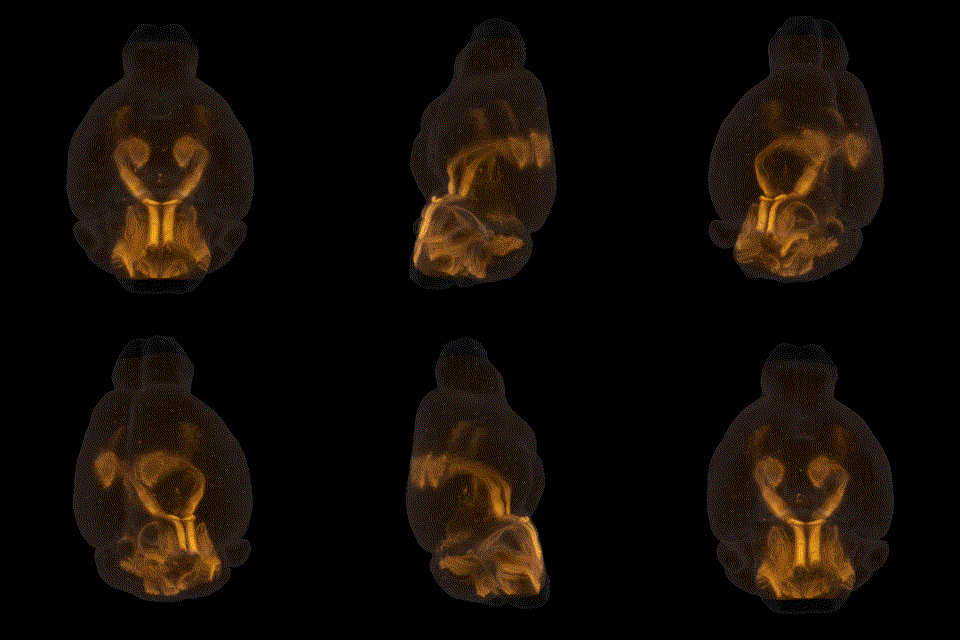
Visualize group differences with statistical maps. 

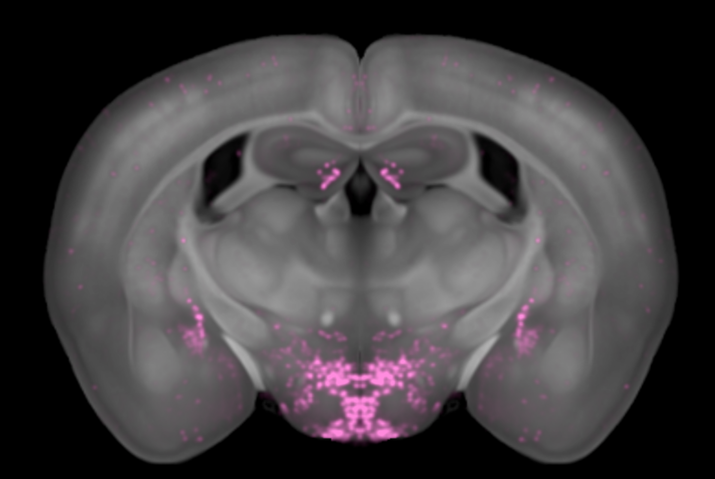
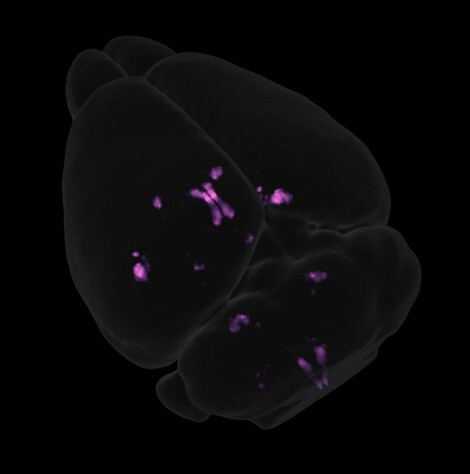
After the brains have been mapped to a CCF, segmented data from different animals within the same group can combined to generate an average map of the group. This can be done for all groups in the same study. To compare the differences between two groups a voxel vise comparison can be done. The resulting maps from this comparison are statistical maps that can be used to visualise the effect of a drug, a disease or a physiological challenge. 

Sema-1

Sema_anatomy

Get quantitative data from any anatomical brain region

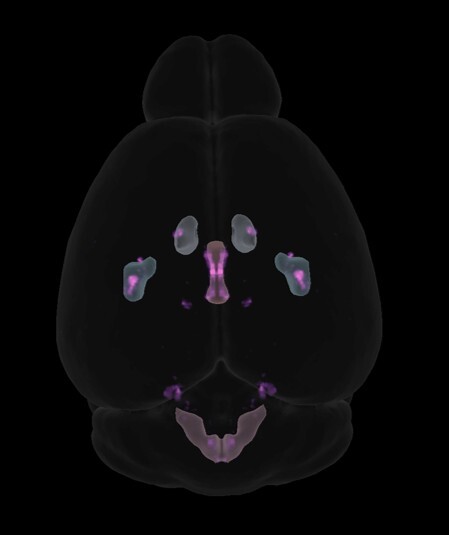
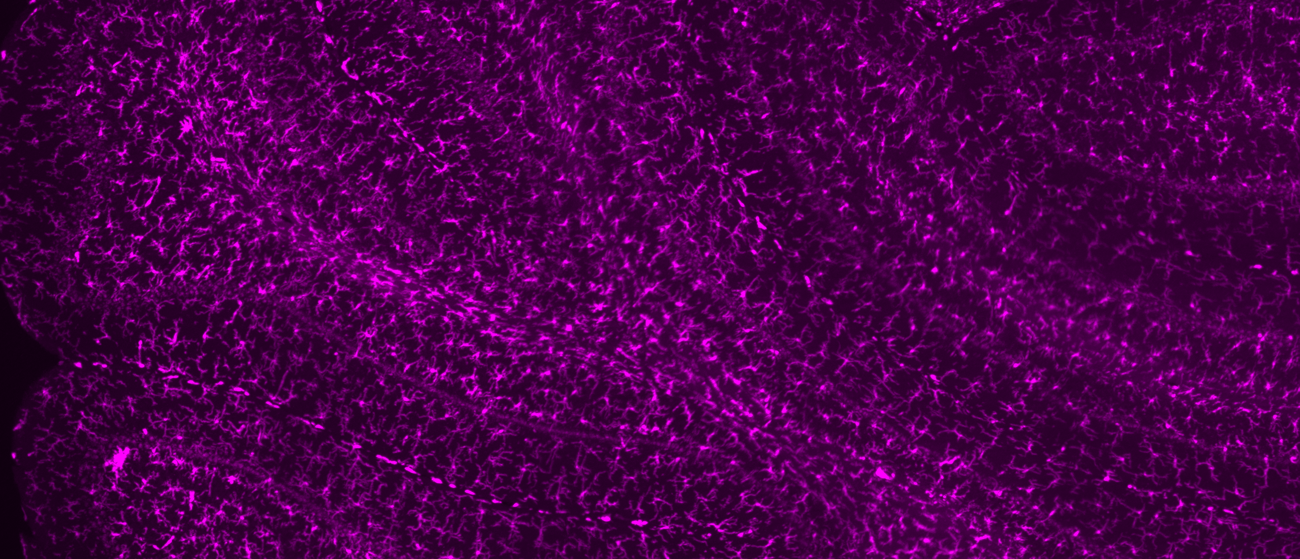
Once a brain has been scanned using a light sheet microscope and mapped to a common coordinate framework (CCF) it is possible to super impose any anatomical region onto your data. This way you can automatically quantify cell counts or other segmented endpoints in more than 1100 brain regions. Since all brains from one study are mapped to the same reference you can get quantitative readouts from multiple groups at the same time. 


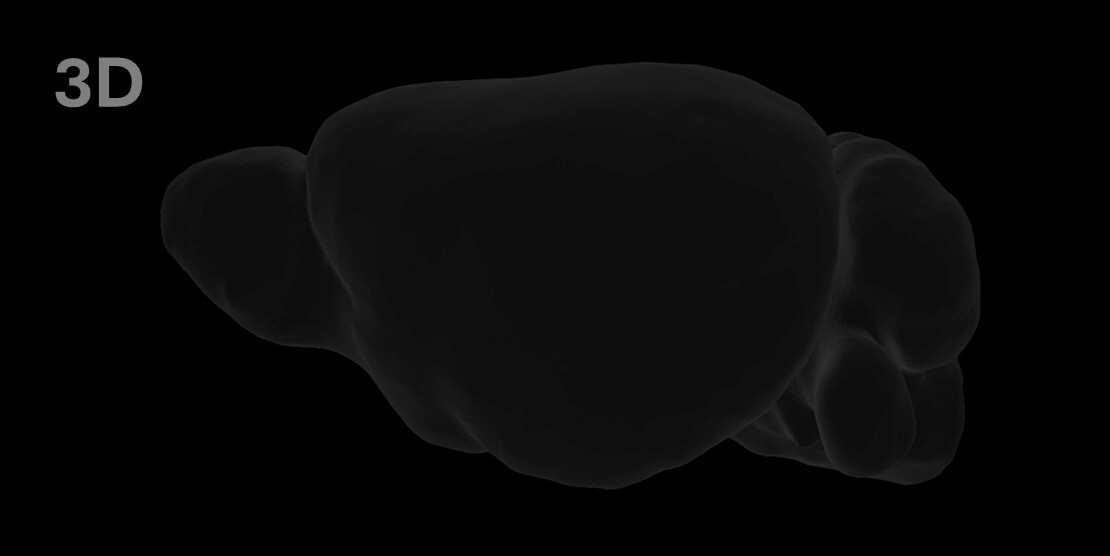
Switch easily between 3D and 2D views of the brain

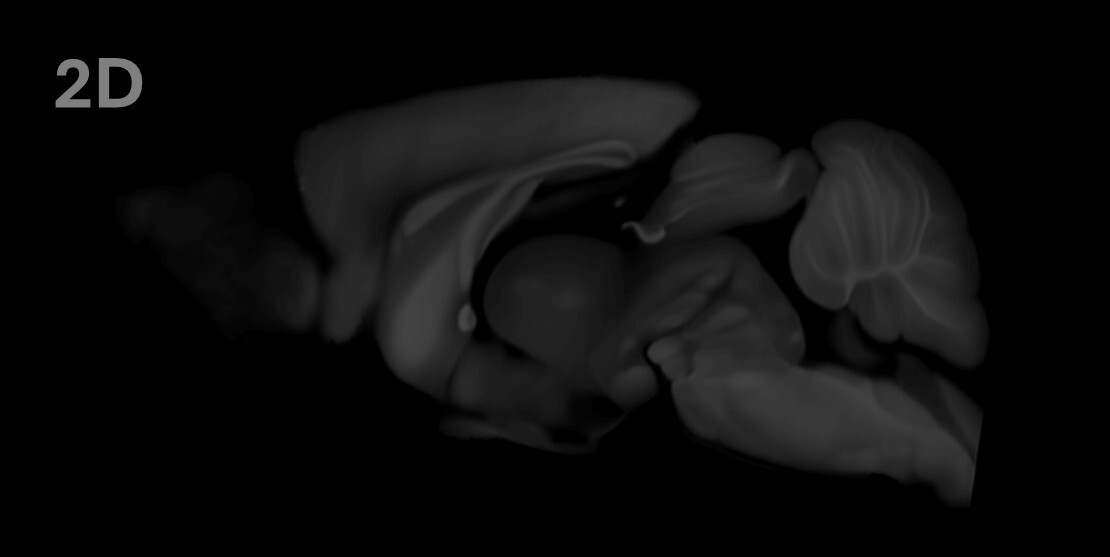
Using a virtual brain it is possible to slice the brain in any orientation. You can therefore visualise your data in 3D or 2D or you can choose sagittal or coronal planes depending on your needs. 

2D-1
3D-1

Tips and Tricks for quantitative whole brain imaging

  • Tissue quality and brain morphology is paramount. Whenever you are planning to register brains to an atlas the tissue needs to be of very high quality. Tears and cuts will affect both the registration and the signal intensity. 

  • Find the optimal resolution. Before starting a big study it pays off to spend time finding the optimal scan settings. Scanning at too high resolution will complicate all downstream workflows. Even simple tasks such as moving data between computers or servers can end up being very time consuming.

  • Avoid duplicating data. Many modern light-sheet microscopes use tile scanning. The resulting tiles will therefore need stitching after the scan is finished. Automated workflows tend to store all the intermediate file formats leading to duplications of already large datasets. This is true for many processing steps, and the same data might therefore be duplicated numerous times. Therefore, it is worthwhile spending some time optimizing the workflows and delete some of the intermediate datasets.  At Vibraint we consider the dataset where we will run the signal segmentation on as the “raw data”. This typically means stitched, down-sampled (to the appropriate resolution) and in some cases post processed. Anything in between is automatically deleted.    

  • Be nice to your IT department. Having a good IT infrastructure should not be underestimated when dealing with LSFM data. Loop in the experts before flooding their servers with data and explain the process to them. Often they can help setting up rules for deleting duplicated/redundant data or moving data between workstations. 

Vibraint's LS-Journey™ Platform

Tissue_processing
Microscopy
Analysis

We are here to help you get started

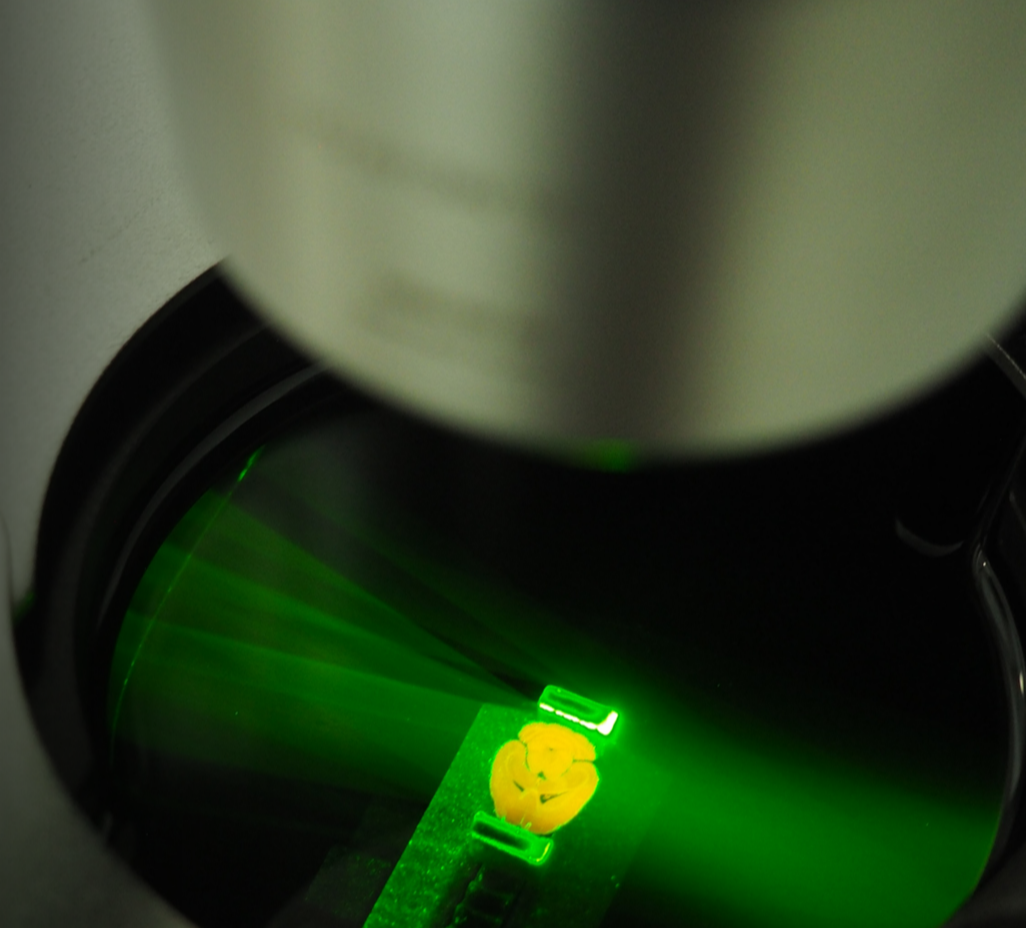
At Vibraint, we are passionate about whole brain imaging and light sheet microscopy—it's at the heart of everything we do. Our LS-Journey™ platform provides quantitative whole brain imaging as a service, offering end-to-end solutions from tissue labelling and clearing to light-sheet microscopy and AI guided image analysis for segmentation and atlas registration. Each step can also be accessed individually to suit your research needs. 

Whether you want to conduct your study with us or need expert advice to begin independently, we are here to help you unlock the amazing potential of whole brain imaging.

Book a free meeting to get expert advice on how to get started 

3D brain model

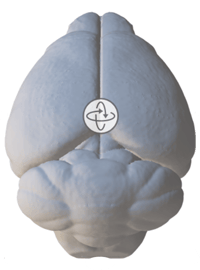
Download a 3D model of Vibraint's virtual brain that can be used to create cool animations in your presentations

Become a beta tester of CNS-VoyagerTM

Discover how your Light-Sheet data can look if integrated into Vibraint's CNS-Voyager™! With our cutting-edge platform, you can now visualize mapped Light-Sheet data sets in an interactive virtual brain viewer, complete with anatomical annotations, spatial transcriptomics data, connectivity maps, and in vivo coordinates. 

We are currently beta testing CNS-Voyager™. So click the button, if you wish to expirience the future of Neuroscience!

Sema_anatomy